
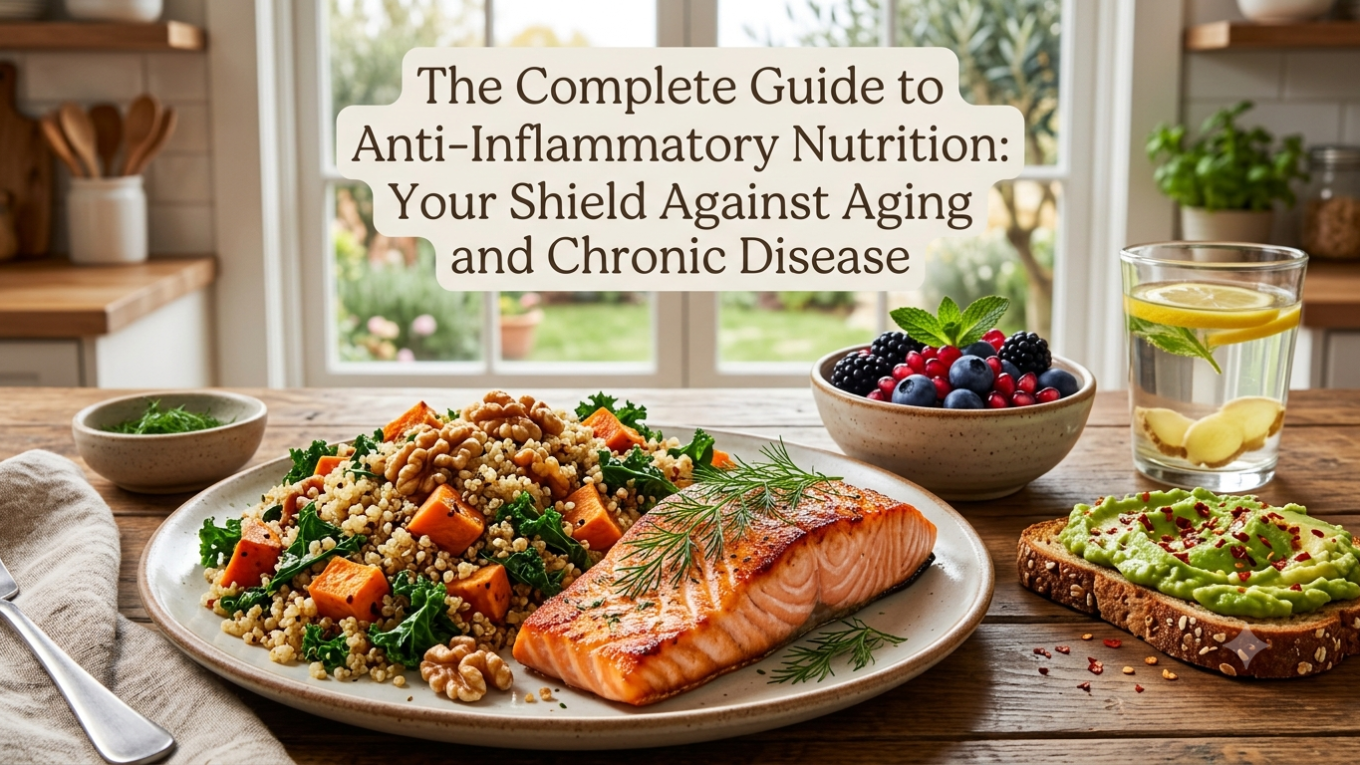
The Complete Guide to Anti-Inflammatory Nutrition: Your Shield Against Aging and Chronic Disease
Ever feel like your body is just… protesting? Aches, stiffness, brain fog, persistent fatigue—these aren’t always just “getting older” symptoms. Often, they’re whispers (or shouts) from your body signaling chronic inflammation. In the fast-paced, often stress-filled American lifestyle, where processed foods are readily available, inflammation has become a silent epidemic, accelerating aging and paving the way for chronic diseases.
At VitalYears, we believe that your plate is one of the most powerful tools you have to fight back. This isn’t about restrictive diets; it’s about empowering you with knowledge to make food choices that calm the internal fire, protect your cells, and add vibrant years to your life. Let’s dive into how anti-inflammatory nutrition can be your secret weapon for a healthier, more energetic you.
Quick Answer: What is an anti-inflammatory diet?
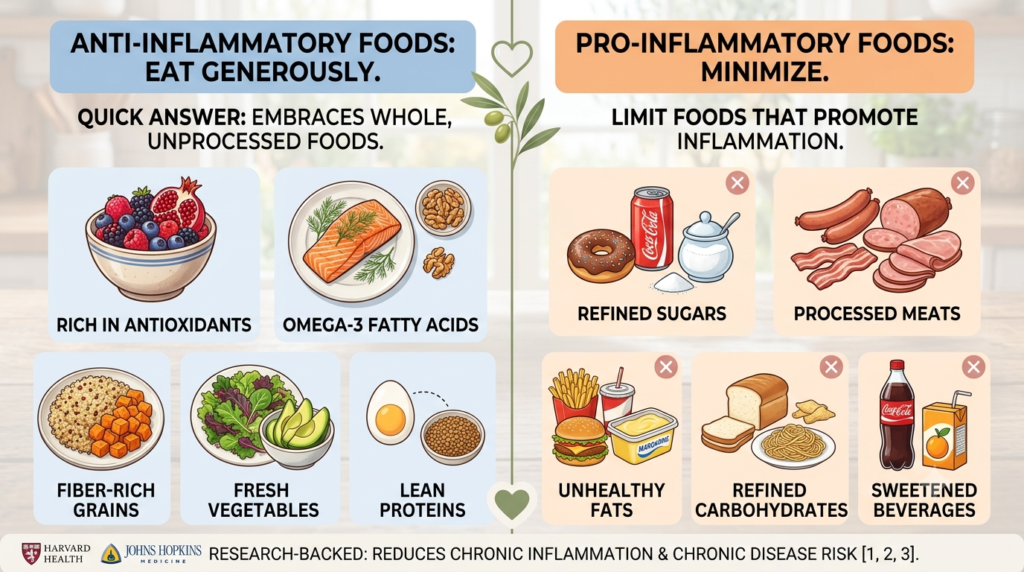
An anti-inflammatory diet emphasizes whole, unprocessed foods rich in antioxidants, omega-3 fatty acids, and fiber, while minimizing foods that promote inflammation (like refined sugars, processed meats, and unhealthy fats). It’s a dietary pattern, not a strict diet, focused on fruits, vegetables, whole grains, lean proteins, and healthy fats. Research from institutions like Harvard Health and Johns Hopkins Medicine consistently shows that adopting this eating style can significantly reduce chronic inflammation, protecting against heart disease, diabetes, certain cancers, and cognitive decline [1, 2, 3].
Understanding the Silent Threat: Chronic Inflammation
Inflammation is your body’s natural defense mechanism. When you cut your finger, inflammation rushes to the rescue. But when this response becomes chronic—a low-grade, persistent internal fire—it starts damaging healthy tissues. This “inflammaging,” as scientists call it, is a key driver of the aging process and a precursor to many age-related diseases [10, 11].
In the U.S., our modern diet often contributes to this chronic state. High consumption of ultra-processed foods, sugary drinks, and unhealthy fats can continuously trigger inflammatory pathways, creating a vicious cycle that wears down your body over time [9].
1. The American Diet: A Double-Edged Sword
While the American food landscape offers incredible variety, it also presents challenges. The convenience of fast food and highly processed snacks, often high in refined carbohydrates, unhealthy fats, and artificial ingredients, can fuel inflammation. However, a growing awareness of health and wellness means there’s also an abundance of fresh produce, lean proteins, and healthy fats available, making an anti-inflammatory approach more accessible than ever.
2. The Power of Your Plate: Foods That Fight Back
Shifting to an anti-inflammatory eating pattern means prioritizing foods that actively calm inflammation and provide your body with the nutrients it needs to repair and thrive.
- Fruits and Vegetables (Eat the Rainbow!): These are packed with antioxidants and phytonutrients that neutralize free radicals and reduce oxidative stress. Think berries, leafy greens (spinach, kale), colorful bell peppers, and cruciferous vegetables (broccoli, cauliflower). Aim for a wide variety to get a full spectrum of benefits [4, 7].
- Omega-3 Fatty Acids: Found in fatty fish like salmon, mackerel, and sardines, as well as flaxseeds and walnuts, omega-3s are powerful anti-inflammatory agents. They help produce compounds that resolve inflammation [5].
- Whole Grains: Unlike refined grains, whole grains (oats, brown rice, quinoa) retain their fiber, which supports a healthy gut microbiome. A healthy gut is crucial for a healthy immune system and reduced systemic inflammation [7].
- Lean Proteins: Opt for plant-based proteins (beans, lentils, tofu) and lean animal proteins (chicken, turkey, fish). These provide essential amino acids without the inflammatory compounds often found in processed and red meats [6].
- Healthy Fats: Olive oil, avocados, nuts, and seeds provide monounsaturated and polyunsaturated fats that have anti-inflammatory properties and support overall cellular health [4].
- Spices and Herbs: Turmeric (with its active compound curcumin), ginger, garlic, and cinnamon are not just flavor enhancers; they are potent anti-inflammatory powerhouses used in traditional medicine for centuries [5].
Scientific Evidence: The Proof is in the Plate
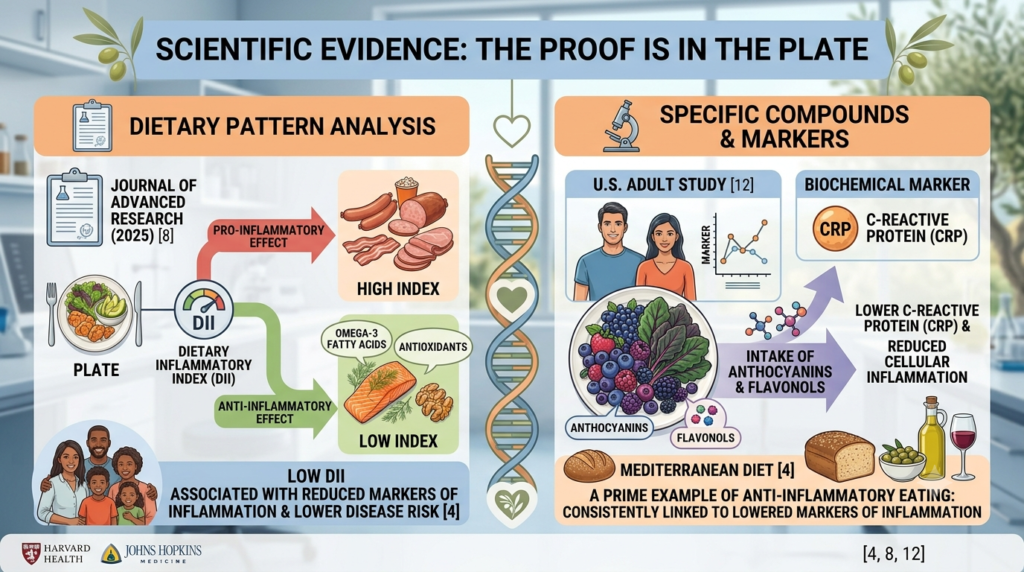
Numerous studies highlight the profound impact of diet on inflammation. A comprehensive review published in the Journal of Advanced Research in 2025 emphasized that dietary nutrition guidelines must consider the inflammatory effects of food groups, noting that foods rich in omega-3 fatty acids and antioxidants are notable anti-inflammatory agents [8]. Furthermore, research has shown that higher dietary intakes of anthocyanins and flavonols (found in berries and other colorful produce) are associated with anti-inflammatory effects in U.S. adults [12]. The Mediterranean diet, a prime example of an anti-inflammatory eating pattern, has been consistently linked to reduced markers of inflammation and a lower risk of chronic diseases [4].
Practical Tips: Making Anti-Inflammatory Choices in Your Daily Life
- Rethink Your Breakfast: Instead of sugary cereals or pastries, try oatmeal with berries and nuts, or a veggie-packed omelet. Start your day with anti-inflammatory fuel.
- Snack Smart: Swap chips and cookies for a handful of almonds, an apple with peanut butter, or Greek yogurt with flaxseeds. Keep healthy options readily available.
- Cook at Home More Often: This gives you control over ingredients. Experiment with new recipes that feature lots of vegetables, herbs, and spices. There are countless American-friendly recipes that are also anti-inflammatory.
- Hydrate with Purpose: Drink plenty of water. Consider adding lemon or cucumber for a refreshing, detoxifying boost. Green tea is also an excellent choice, rich in antioxidants.
- Read Labels: Be mindful of hidden sugars, trans fats, and artificial ingredients in packaged foods. Look for whole, recognizable ingredients.
Frequently Asked Questions (FAQ)
Q: Can an anti-inflammatory diet cure chronic diseases? A: While an anti-inflammatory diet is a powerful tool for managing and reducing the risk of chronic diseases, it’s not a cure. It works best as part of a holistic approach that includes regular exercise, stress management, and appropriate medical care. Always consult your doctor for personalized advice.
Q: How quickly will I see results from an anti-inflammatory diet? A: Some people report feeling better within a few weeks, noticing reduced pain, improved energy, and clearer skin. However, the long-term benefits of reduced chronic disease risk develop over months and years of consistent healthy eating.
Q: Is the Mediterranean diet the only anti-inflammatory diet? A: No, while the Mediterranean diet is an excellent and well-researched example, other eating patterns like the DASH diet or even a well-planned vegetarian/vegan diet can be highly anti-inflammatory. The key principles remain the same: focus on whole, unprocessed foods and minimize inflammatory triggers.
Conclusion: Ignite Your Health, Not Your Inflammation
Embracing an anti-inflammatory lifestyle isn’t about deprivation; it’s about abundance—an abundance of flavor, vitality, and long-term health. By consciously choosing foods that nourish rather than harm, you’re not just eating; you’re investing in every single cell of your body, building a resilient foundation against the challenges of aging and modern life. It’s a powerful act of self-care that pays dividends for years to come.
Next Steps: Pick one anti-inflammatory food you don’t currently eat regularly and try to incorporate it into your meals this week. Whether it’s adding berries to your breakfast or cooking with turmeric, every small step makes a difference.
Check out our post below:
The Blue Zones Lifestyle: Unlocking the Secrets to a Longer, Happier American Life
References:
- Harvard Health – Foods that fight inflammation
- Johns Hopkins Medicine – Anti-Inflammatory Diet
- Cleveland Clinic – Anti-Inflammatory Diet: Foods List and Benefits
- Mayo Clinic Health System – Groceries to ease chronic inflammation
- Henry Ford Health – The Health Benefits Of An Anti-Inflammatory Diet
- VA.gov – Eating to Reduce Inflammation (PDF)
- Academy of Nutrition and Dietetics – Can Diet Help with Inflammation?
- Journal of Advanced Research – Food inflammation index reveals the key inflammatory components in foods and heterogeneity within food groups
- Journal of Manipulative and Physiological Therapeutics – The diet-induced proinflammatory state
- Nature – Inflammation and aging: signaling pathways and intervention therapies
- Brown Health – Inflammaging: What You Should Know About Inflammation and Aging