Aging is often talked about as a series of subtractions losing speed, losing memory, losing independence. But what if we reframed the conversation? What if aging wasn’t about “slowing down,” but about optimizing your biology to keep doing the things you love?
Whether you’re noticing you’re not as steady on your feet or you’re simply looking to stay ahead of the curve, the choices you make today define your “healthspan” the years you live in vibrant health, not just the years on the clock. At VitalYears, we believe that while genetics may load the gun, lifestyle pulls the trigger. It’s never too early to start, and more importantly, it’s never too late to see a massive ROI on your health.
Quick Answer: What is the secret to healthy aging?

Healthy aging is the proactive process of maintaining physical, mental, and social well-being as you grow older. According to the CDC and Stanford Medicine, the “Golden Quartet” for longevity includes: 150 minutes of moderate activity per week, a Mediterranean-style diet, 7-9 hours of quality sleep, and consistent social engagement. Adopting these habits, even in your 60s or 70s, can significantly reduce the risk of chronic disease and cognitive decline.
The Pillars of Vitality: Your Roadmap to 80+
1. Movement is Medicine (and Freedom)
In your younger years, exercise might have been about aesthetics. Now, it’s about autonomy. The ability to carry your own groceries, get up from a chair without using your hands, or catch yourself if you stumble is what keeps you independent.
- Strength Training: As we age, we face sarcopenia (muscle loss). Stanford geriatricians recommend muscle-strengthening activities at least twice a week. You don’t need to be a powerlifter; chair squats, wall push-ups, and resistance bands are incredibly effective.
- The Power of Steps: A major study of adults over 40 found that taking 8,000 steps a day was associated with a 51% lower risk of death from all causes compared to 4,000 steps. If 8,000 feels daunting, break it into three 10-minute “fitness snacks” throughout the day.
2. Fueling Your Biology
Your nutritional needs change as you age. You actually need more protein to maintain muscle, even if you’re eating fewer total calories.
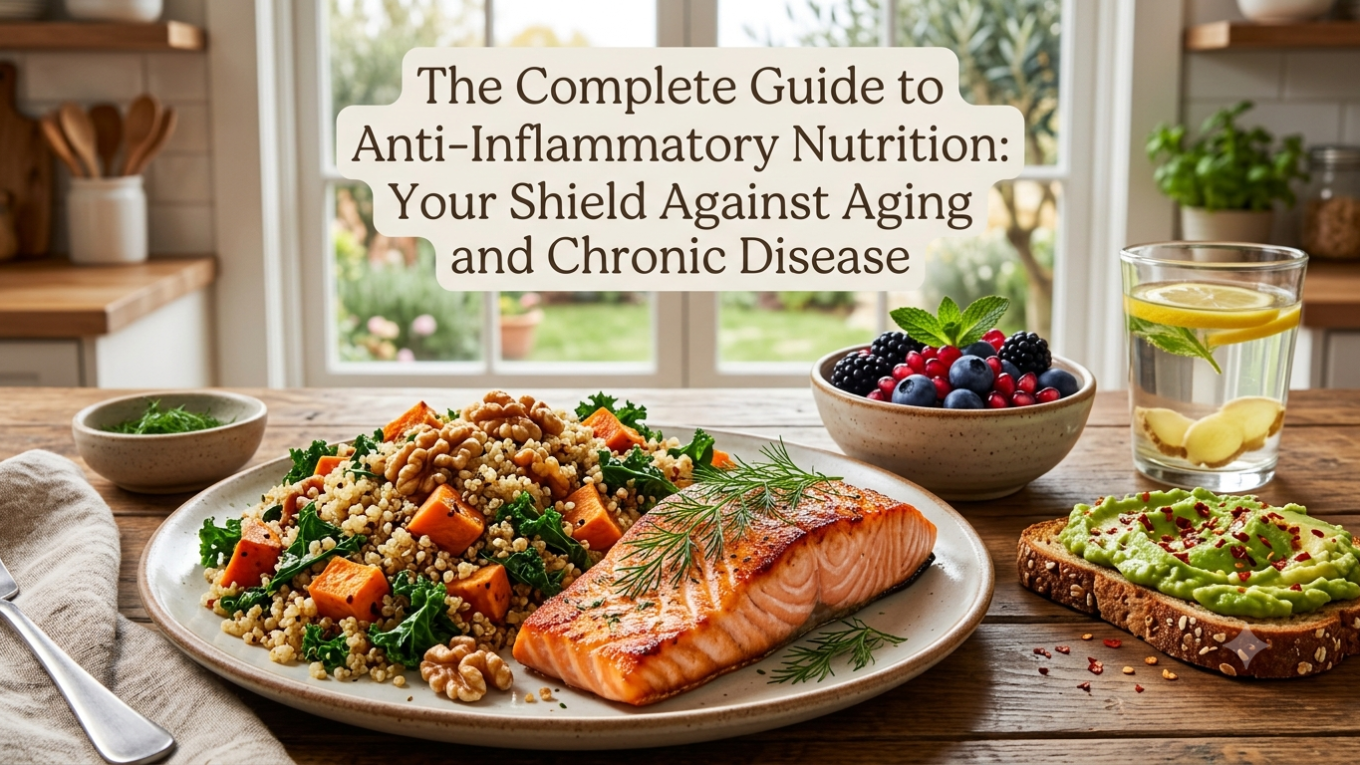
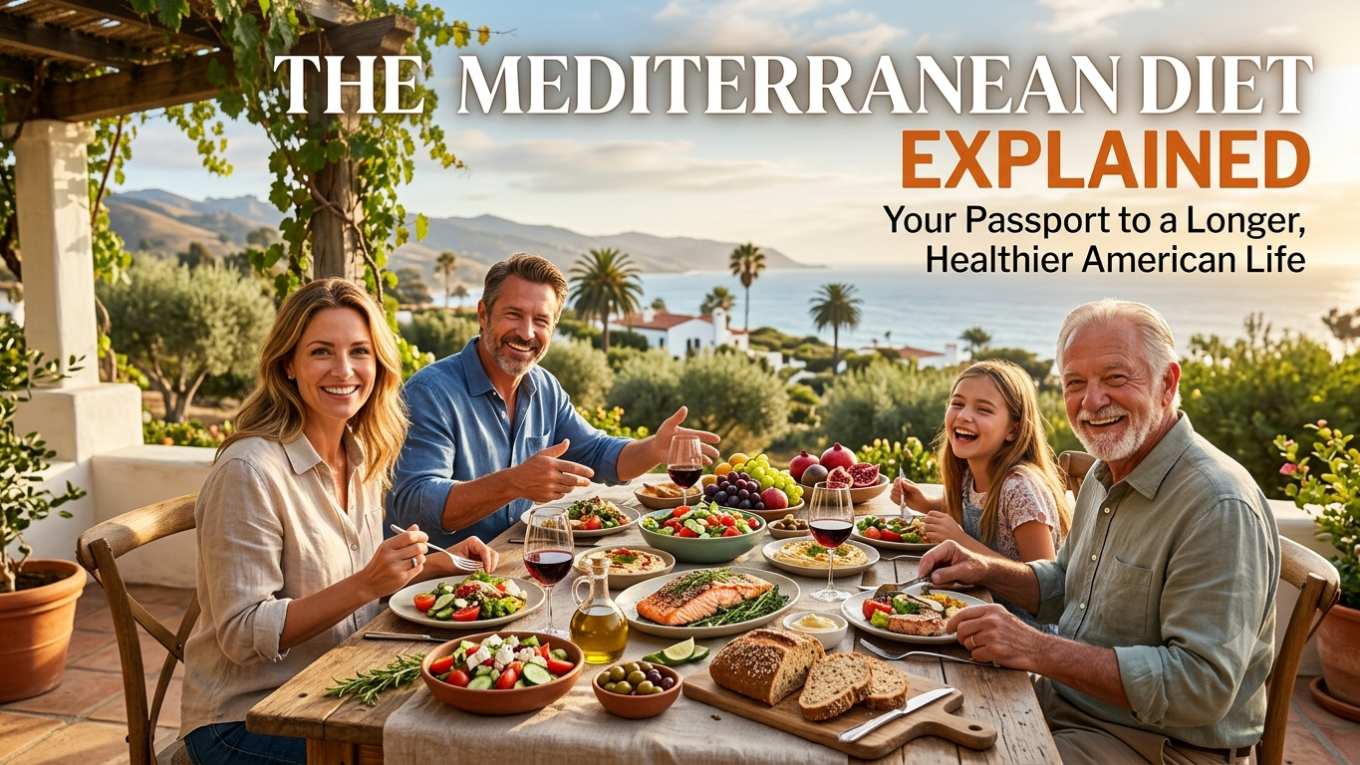
- The Mediterranean Standard: Consistently ranked as the #1 diet for longevity, it focuses on whole foods—fruits, vegetables, lean protein, and healthy fats like olive oil.
- The Protein Goal: Research suggests healthy older adults benefit from 1.0 to 1.3 grams of protein per kilogram of body weight. For a 150-pound person, that’s roughly 70-90 grams a day. Think Greek yogurt for breakfast, salmon for lunch, and lentils or lean poultry for dinner.
3. Protecting the “Control Center” (Brain Health)
Cognitive decline is perhaps the biggest fear of aging, but it’s not an inevitability. Your brain is plastic, meaning it can still form new connections well into your 90s.
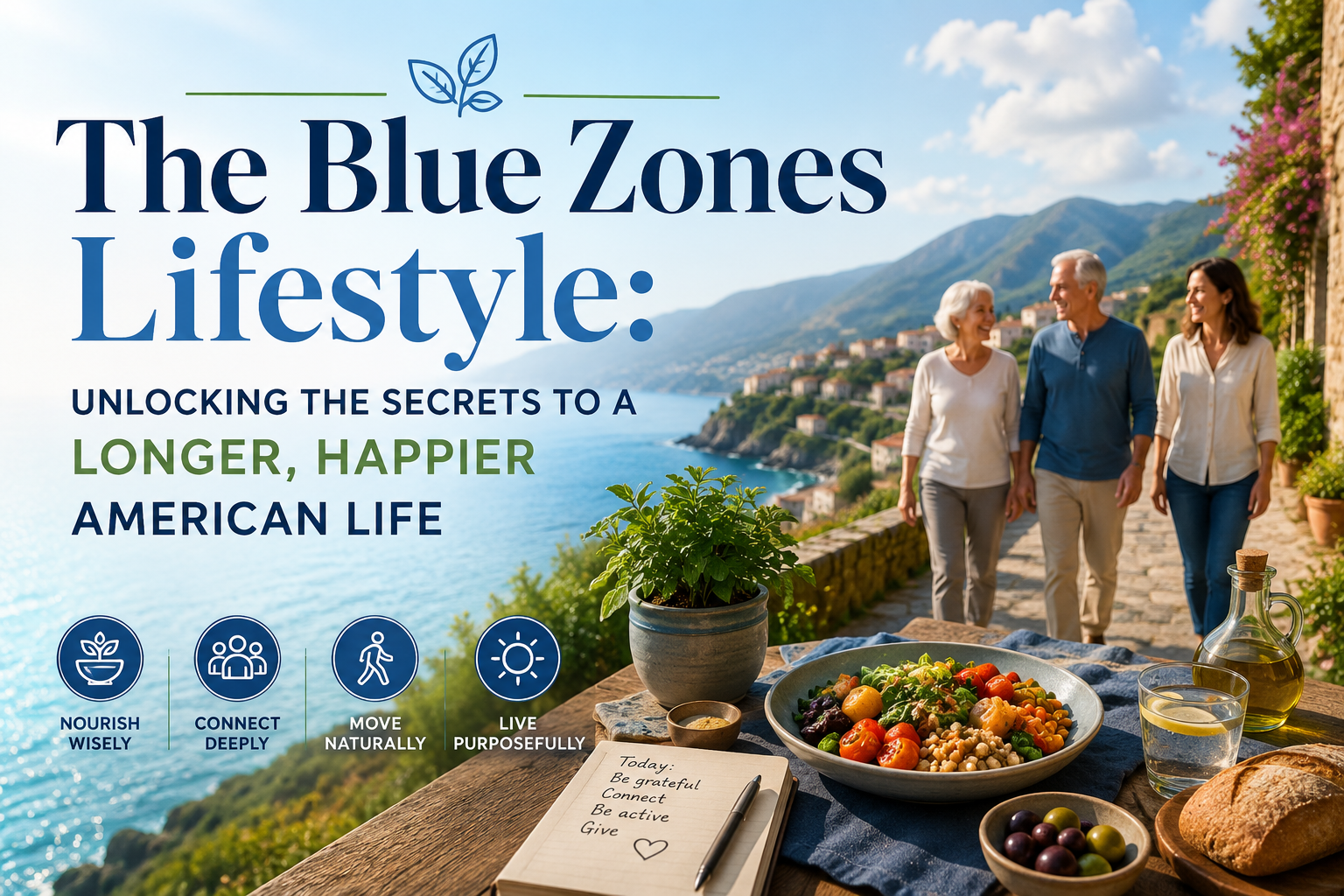
- Social Connection: This is the “secret sauce” of the Blue Zones. Isolation is as damaging to your health as smoking 15 cigarettes a day. Meaningful conversations and community involvement keep your brain sharp.
- Sleep Hygiene: Sleep is when your brain’s “glymphatic system” flushes out metabolic waste, including beta-amyloid (linked to Alzheimer’s). Aim for 7-9 hours. If you struggle to stay asleep, look at your “circadian hygiene”—get sunlight in your eyes first thing in the morning and dim the lights two hours before bed.
Scientific Evidence: What the Data Says
A 2024 report from the National Institute on Aging (NIA) highlights that lifestyle factors can influence up to 75% of how we age, with genetics accounting for only about 25%. Furthermore, a study published in Circulation demonstrated that adhering to five low-risk lifestyle factors (healthy diet, regular exercise, healthy weight, no smoking, and moderate alcohol) could extend life expectancy at age 50 by 14 years for women and 12 years for men.
Practical Tips: What You Can Do Today
- The “Toothbrush Balance” Trick: While brushing your teeth, practice standing on one leg for 30 seconds. Balance is a “use it or lose it” skill that prevents life-altering falls.
- Audit Your Plate: At your next meal, ask: “Where is my protein, and where is my fiber?” Aim for half your plate to be colorful vegetables.
- Schedule a “Social Date”: Call a friend or join a local community group. Social “fitness” is just as important as physical fitness.
Frequently Asked Questions (FAQ)

Q: Is it too late to start exercising if I’m already in my 70s? A: Absolutely not. Research shows that even people who were sedentary their entire lives see significant improvements in heart health and mobility within just weeks of starting a walking and light resistance routine.
Q: How much sleep do I really need? A: Despite the myth that we need less sleep as we age, the requirement remains 7-9 hours. The quality of sleep often declines, which is why focusing on sleep hygiene is crucial.
Q: Should I take supplements for longevity? A: While certain supplements like Vitamin D or Omega-3s can be beneficial, they should never replace a whole-food diet. Always consult your healthcare provider before starting a new regimen.
Conclusion: Your Vital Years Start Now
Healthy aging isn’t about chasing the fountain of youth; it’s about respecting the biology you have and giving it the tools to thrive. By focusing on consistent movement, nutrient-dense fuel, and deep social connections, you aren’t just adding years to your life you’re adding life to your years.
Next Steps: Pick one habit from this guide perhaps the 8,000 steps or the “toothbrush balance” and commit to it for the next seven days. Small wins lead to big transformations.
References: