
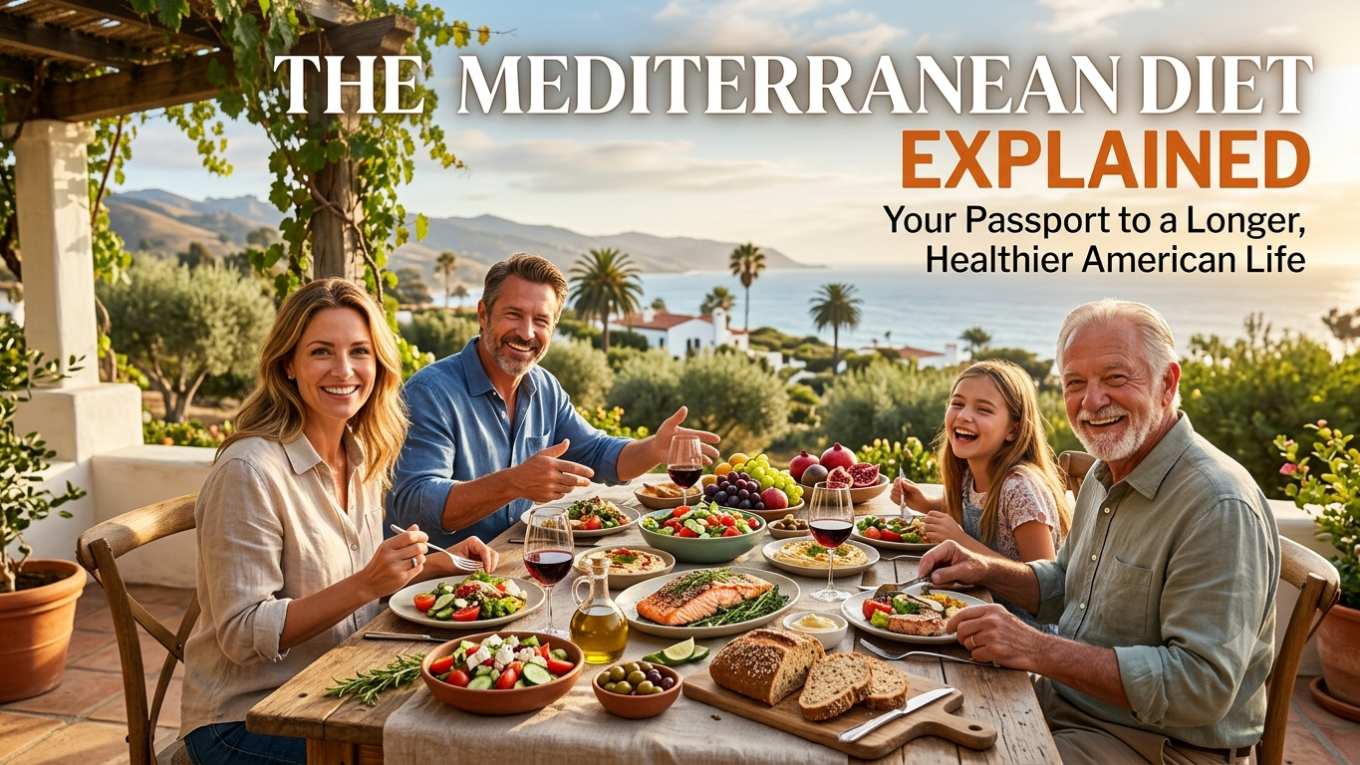
The Mediterranean Diet Explained: Your Passport to a Longer, Healthier American Life
In a world saturated with diet fads and fleeting health trends, one eating pattern consistently rises above the noise: the Mediterranean Diet. It’s not a strict regimen designed for rapid weight loss, but rather a lifestyle—a delicious, vibrant way of eating rooted in the culinary traditions of countries bordering the Mediterranean Sea. For Americans navigating a complex food landscape, this diet offers a refreshing, evidence-based roadmap to not just living longer, but truly thriving.
At VitalYears, we believe that good health should be enjoyable and sustainable. The Mediterranean Diet embodies this philosophy, offering a flexible framework that can be easily adapted to your American kitchen and lifestyle, bringing with it a wealth of benefits for your heart, brain, and overall longevity. Let’s explore why this ancient way of eating is more relevant than ever for modern health.
Quick Answer: What is the Mediterranean Diet?
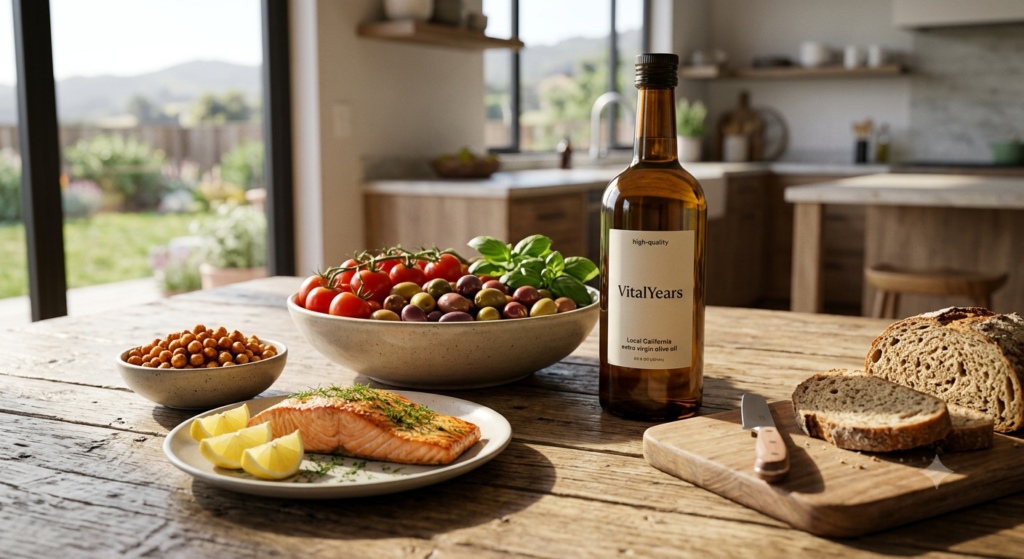
The Mediterranean Diet is a plant-forward eating pattern emphasizing fruits, vegetables, whole grains, legumes, nuts, seeds, and olive oil as the primary fat source. It includes moderate amounts of fish and poultry, limited red meat, and emphasizes water and red wine (in moderation) as beverages. Renowned for its benefits, studies from Harvard Health and the Mayo Clinic consistently link it to reduced risks of heart disease, stroke, type 2 diabetes, certain cancers, and improved longevity [1, 2, 3].
More Than a Diet: A Lifestyle of Health and Flavor
The Mediterranean Diet isn’t about counting calories or restrictive rules; it’s about embracing a holistic approach to food and life. Imagine sun-drenched meals, fresh ingredients, and the joy of sharing food with loved ones. This cultural context is as important as the food itself.
1. The Core Principles: What to Embrace
- Plant Power: The foundation of the Mediterranean Diet is an abundance of fruits, vegetables, whole grains, legumes (beans, lentils), nuts, and seeds. These provide fiber, vitamins, minerals, and antioxidants crucial for fighting inflammation and protecting cells [1, 3].
- Olive Oil: The Golden Elixir: Extra virgin olive oil is the primary source of fat, rich in monounsaturated fats and antioxidants. It’s used for cooking, dressing, and dipping, contributing to heart health [4].
- Fish and Seafood: Enjoyed regularly, often a few times a week, providing lean protein and omega-3 fatty acids, which are vital for brain and heart health [3].
- Poultry, Eggs, and Dairy: Consumed in moderate portions. Think Greek yogurt, cheese, and eggs a few times a week, and poultry a couple of times.
- Red Meat: An Occasional Treat: Red meat is eaten sparingly, perhaps a few times a month, rather than a daily staple.
- Water and Wine: Water is the main beverage. Red wine, in moderation (one glass for women, two for men daily), is often enjoyed with meals, though it’s entirely optional [5].
2. Why It Works: The Science Behind the Success
The benefits of the Mediterranean Diet are extensively researched and well-documented:
- Heart Health Hero: It’s consistently ranked as one of the best diets for cardiovascular health. It helps lower bad cholesterol (LDL), reduce blood pressure, and improve blood vessel function, significantly cutting the risk of heart attacks and strokes [2, 3].
- Anti-Inflammatory Powerhouse: Rich in antioxidants and healthy fats, it combats chronic inflammation, a key driver of aging and disease [1].
- Brain Booster: The emphasis on healthy fats, antioxidants, and plant compounds supports cognitive function and may reduce the risk of neurodegenerative diseases like Alzheimer’s [6].
- Blood Sugar Balance: Its high fiber content and focus on whole foods help regulate blood sugar levels, reducing the risk of type 2 diabetes [3].
- Longevity Link: Studies show that adherence to the Mediterranean Diet is associated with a longer lifespan and a reduced risk of premature death from all causes [1, 7].
Scientific Evidence: A Global Endorsement
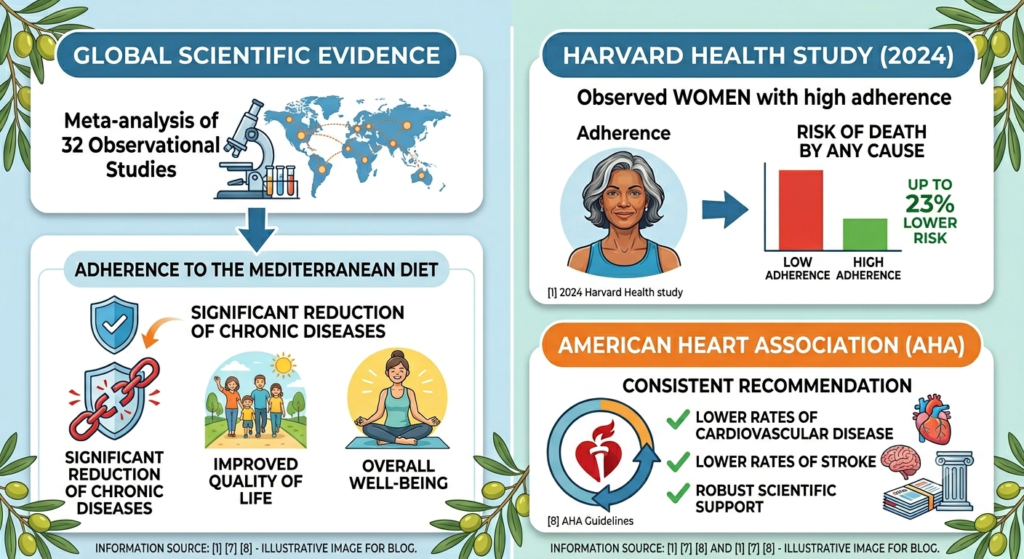
A meta-analysis of 32 observational studies highlighted that adhering to a Mediterranean dietary pattern significantly reduces the risk of major chronic diseases and improves overall quality of life and well-being [7]. A 2024 study published in Harvard Health found that women who closely followed a Mediterranean diet were up to 23% less likely to die from any cause over the study period compared to those who didn’t [1]. The American Heart Association also consistently links the Mediterranean Diet to lower rates of cardiovascular disease and stroke, underscoring its robust scientific backing [8].
Adapting the Mediterranean Diet to Your American Table
You don’t need to move to Greece or Italy to reap the benefits. The beauty of the Mediterranean Diet is its adaptability.
- Embrace Local Produce: Head to your local farmer’s market or grocery store and fill your cart with seasonal fruits and vegetables. Think vibrant berries, crisp greens, and juicy tomatoes.
- Swap Your Fats: Replace butter and other saturated fats with extra virgin olive oil for cooking and dressings. It’s a simple yet impactful change.
- More Fish, Less Red Meat: Incorporate more salmon, tuna, or cod into your weekly meals. Experiment with plant-based protein sources like lentils and chickpeas in stews, salads, or homemade veggie burgers.
- Whole Grains Over Refined: Choose whole-wheat bread, pasta, brown rice, and quinoa instead of their refined counterparts. These add fiber and sustained energy.
- Snack Smart: Keep nuts, seeds, and fresh fruit on hand for healthy, satisfying snacks.
- Savor Your Meals: Take time to enjoy your food, ideally with family or friends. This social aspect is a cornerstone of the Mediterranean lifestyle.
Frequently Asked Questions (FAQ)
Q: Is the Mediterranean Diet expensive? A: Not necessarily. While some specialty items can be pricey, the core of the diet—legumes, whole grains, seasonal vegetables, and fruits—are often very affordable. Buying in-season and cooking at home can significantly reduce costs.
Q: Do I have to drink red wine? A: No. While moderate red wine consumption is part of the traditional Mediterranean lifestyle, it’s entirely optional. If you don’t drink alcohol, or prefer not to, water is always the best choice.
Q: How quickly will I see results? A: Many people report feeling more energetic and experiencing improved digestion within a few weeks. Long-term benefits, such as reduced risk of chronic diseases, develop over months and years of consistent adherence.
Conclusion: Your Delicious Journey to Lasting Health
The Mediterranean Diet isn’t just another eating plan; it’s an invitation to a richer, healthier life. By focusing on fresh, whole foods, healthy fats, and the joy of shared meals, you’re not only nourishing your body but also embracing a lifestyle that has stood the test of time for its profound health benefits. It’s a delicious, sustainable, and scientifically-backed way for Americans to cultivate vitality and extend their healthspan.
Next Steps: Try incorporating one new Mediterranean-inspired meal into your week. Perhaps a lentil soup, a salmon dish with roasted vegetables, or a vibrant salad with olive oil dressing. Small changes can lead to a lifetime of health.
Check out our post below:
The Blue Zones Lifestyle: Unlocking the Secrets to a Longer, Happier American Life
References:
- Harvard Health – Mediterranean diet may help you live longer
- Mayo Clinic – Mediterranean diet for heart health
- Cleveland Clinic – Mediterranean Diet: Food List & Meal Plan
- Johns Hopkins Medicine – Take Your Diet to the Mediterranean
- Harvard Health – A practical guide to the Mediterranean diet
- Medical News Today – Does the Mediterranean diet hold the key to longevity?
- PMC – Mediterranean diet and life expectancy; beyond olive oil, fruits and vegetables
8. Baylor Scott & White Health – The Mediterranean diet made easy
One thought on “The Mediterranean Diet Explained: Your Passport to a Longer, Healthier American Life”